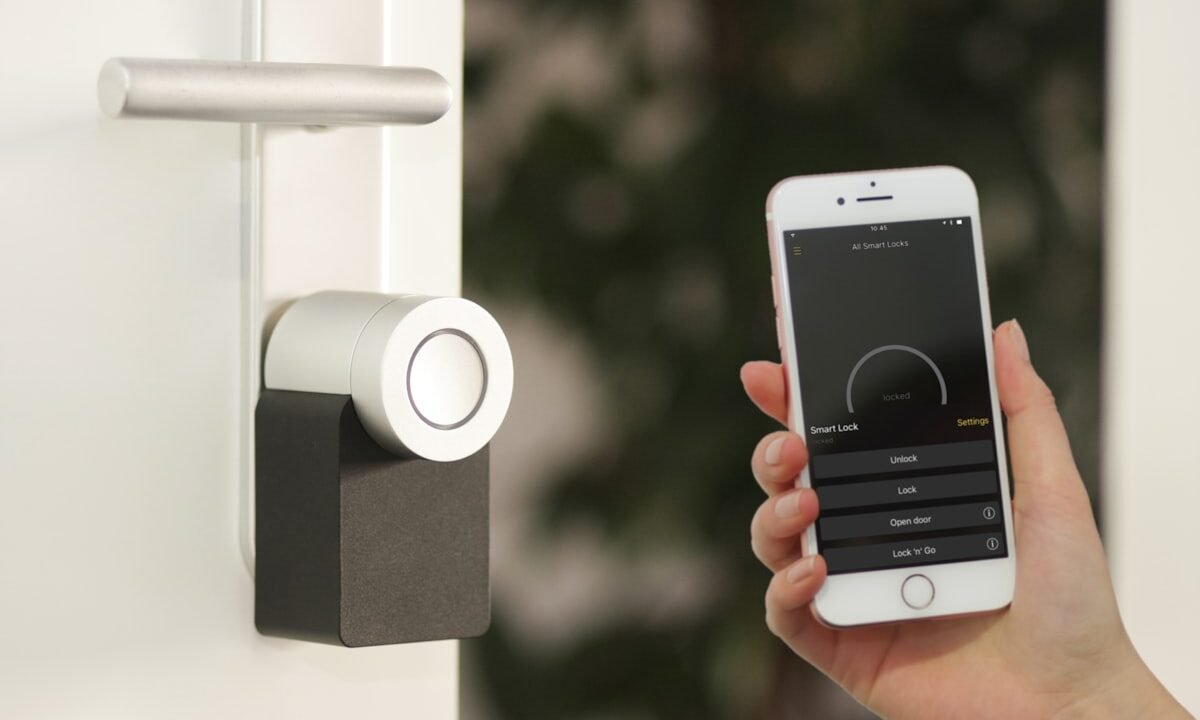
Smart home automation offers immense everyday convenience: lights adjust automatically at sunset, thermostats optimize energy consumption, and robotic vacuums keep floors pristine while you are at work. However, this convenience introduces a profound cybersecurity hazard into modern residences. The average consumer smart home now contains twenty to fifty Internet of Things (IoT) devices manufactured by obscure third-party vendors. These low-cost devices frequently ship with hardcoded default passwords, unencrypted firmware, and continuous cloud telemetry beacons. If an attacker compromises a cheap $10 smart lightbulb, they can use it as a stepping stone to pivot onto your personal laptop and compromise banking sessions. Securing your connected residence requires structural network isolation and a transition to local-first protocols.
The Architectural Solution: Network Micro-Segmentation via VLANs
The golden rule of IoT security is simple: never allow untrusted smart home accessories to share the same local network subnet as your personal computers, smartphones, and storage servers.
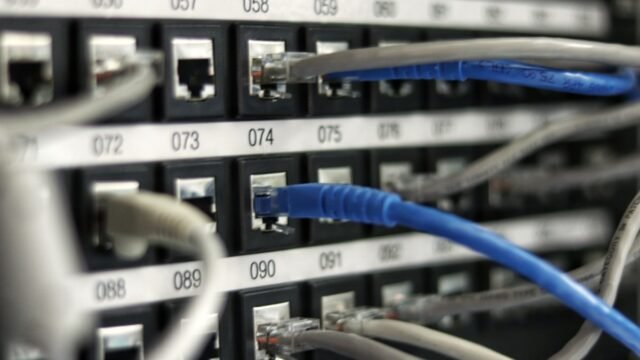
- Virtual Local Area Networks (VLANs): A VLAN allows a single physical router and switch to divide your home network into multiple isolated virtual networks.
- Creating the IoT Sandbox: Configure an isolated “IoT VLAN” on your managed router (such as UniFi, pfSense, OPNsense, or OpenWrt). Assign all smart TVs, smart speakers, video doorbells, and appliances to this network.
- Firewall Isolation Rules: Establish firewall rules that:
1. Allow devices on your trusted main network to initiate connections to the IoT VLAN.
2. Permanently block devices on the IoT VLAN from initiating connections back to your trusted main network.
3. Optionally block internet access entirely for smart devices that only need local control.
The Local Protocol Revolution: Zigbee, Z-Wave, and Matter over Thread
The ultimate method to secure smart home devices is to avoid Wi-Fi entirely for everyday sensors and switches:
- Zigbee and Z-Wave: These protocols do not connect to your Wi-Fi router and have zero IP addresses. They communicate over low-power mesh networks directly with a local USB coordinator dongle plugged into your private home automation server. They cannot be hacked across the internet because they possess no internet connection.
- Matter over Thread: The modern universal standard. Thread is an IPv6-based low-power wireless mesh network. Matter provides local, vendor-agnostic interoperability, allowing smart accessories from Apple, Google, and Samsung to communicate locally without requiring proprietary vendor cloud apps.
Home Assistant: The Local Privacy Brain
Rather than relying on proprietary cloud dashboards that can be bricked when a vendor shuts down its cloud servers, deploy Home Assistant. Running locally on an inexpensive mini PC or Raspberry Pi, Home Assistant aggregates all your Zigbee, Matter, and local devices into a single secure, encrypted dashboard that never sends your personal lifestyle data to third-party marketing brokers.