Fast charging has evolved from a slow, fragmented mess into a sophisticated negotiation between digital microcontrollers and high-efficiency semiconductors. Yet consumers frequently encounter a confusing conundrum: they purchase a powerful 100-watt wall charger only to find their smartphone charges at a sluggish 15-watt crawl. To buy the right charging equipment and protect device health, users must decode the battle between universal charging standards and proprietary vendor protocols.
The Universal Standard: USB Power Delivery (USB-PD) and PPS
The gold standard for cross-device compatibility is the universal USB Power Delivery (USB-PD) specification governed by the USB Implementers Forum (USB-IF).
- Fixed Voltage Steps: Early USB-PD supplied fixed voltages (5V, 9V, 15V, 20V) at varying amperages. However, stepping down high voltage (such as 20V down to a phone’s 4.2V battery level) inside the phone generated tremendous wasted heat.
- Programmable Power Supply (PPS): Introduced in USB-PD 3.0, PPS allows the smartphone to negotiate voltage with the charger in granular 20-millivolt (0.02V) increments. If the phone battery requires 4.12V at 4 amps, the charger supplies that exact voltage directly, moving the heat generation out of the phone and into the wall brick.
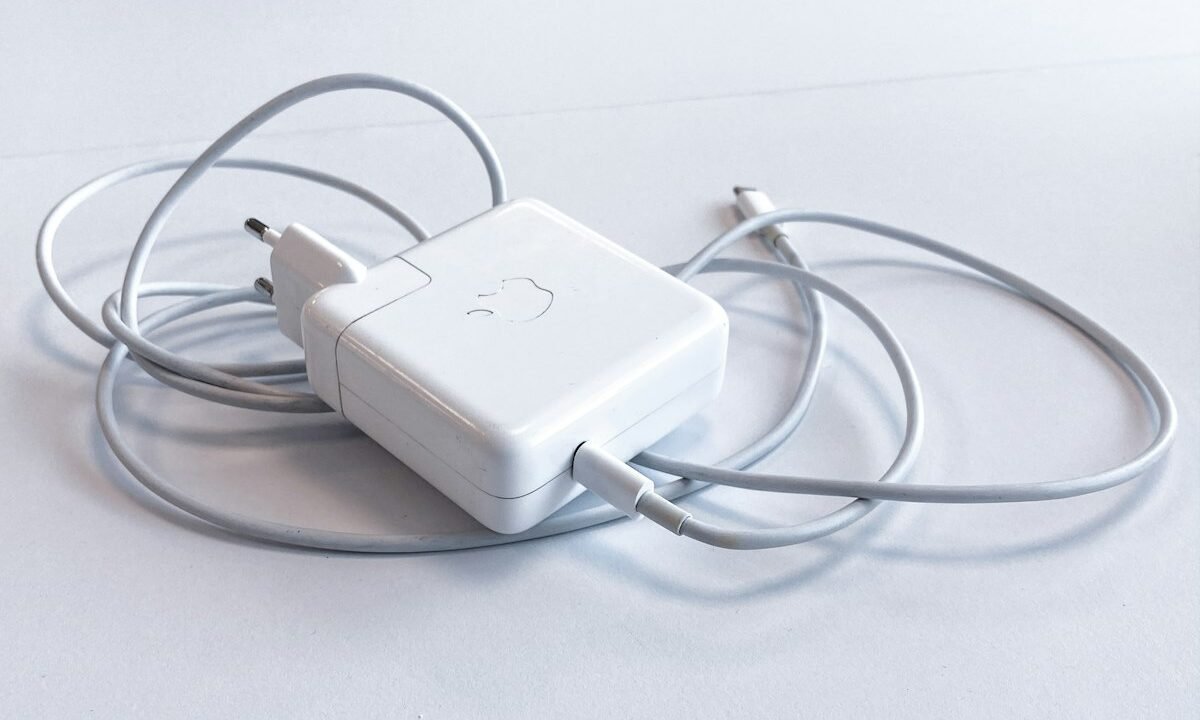
Devices from Google, Apple, Samsung, and modern laptops all support USB-PD PPS for safe, standardized fast charging.
Proprietary Charging Protocols: The Speed Demon Dilemma
Brands like OnePlus, Xiaomi, Realme, and Vivo frequently advertise eye-popping 100W, 120W, and 150W charging speeds that replenish batteries in under 20 minutes.
- How They Work: These brands utilize proprietary closed protocols (such as SuperVOOC or HyperCharge). They route high amperage (often 6A to 10A) through specialized thicker charging cables and custom power management ICs.
- The Catch: If you plug an iPhone, Pixel, or MacBook into a proprietary 120W SuperVOOC charger, the charger cannot negotiate proprietary protocols and drops down to baseline 10W or 15W charging. For universal multi-device travel, always prioritize USB-PD PPS certified bricks.
The GaN Revolution: Why Gallium Nitride Changed Everything
For fifty years, power adapters relied on silicon semiconductors. Silicon chips suffer from electrical resistance and heat dissipation limits, requiring large transformers and heavy aluminum heatsinks.
Gallium Nitride (GaN) is a modern wide-bandgap semiconductor. It conducts electrons 1,000 times more efficiently than silicon and switches frequencies up to ten times faster. As a result, a 65W or 100W GaN charger is up to 50% smaller, runs cooler, and wastes significantly less electrical power than traditional silicon adapters.
Thermal Throttling and the 80% Rule
No smartphone charges at maximum wattage from 0% to 100%. A phone advertising “65W charging” will only draw 65W during the initial depleted phase (0% to 50%). As the battery heats up and cell voltage rises, the internal battery management system deliberately throttles wattage down to 25W, then 15W, and finally a 5W trickle as it reaches 100% to prevent lithium plating and thermal catastrophe.